
A good everyday makeup look doesn’t have to mean a full face of heavy foundation, dramatic eyeshadow, and perfectly sculpted cheeks.
For everyday life, many people simply want their skin to look fresh, their features to look defined, and their makeup to feel comfortable enough to wear for several hours.
The easiest way to achieve that is to build the look gradually rather than applying several products at once.
This beginner-friendly routine focuses on lightweight-looking coverage, natural definition, and a finish that still lets your features look like your own.
The goal isn’t to hide your face. It’s to enhance the features you already have.
Start With a Fresh Base
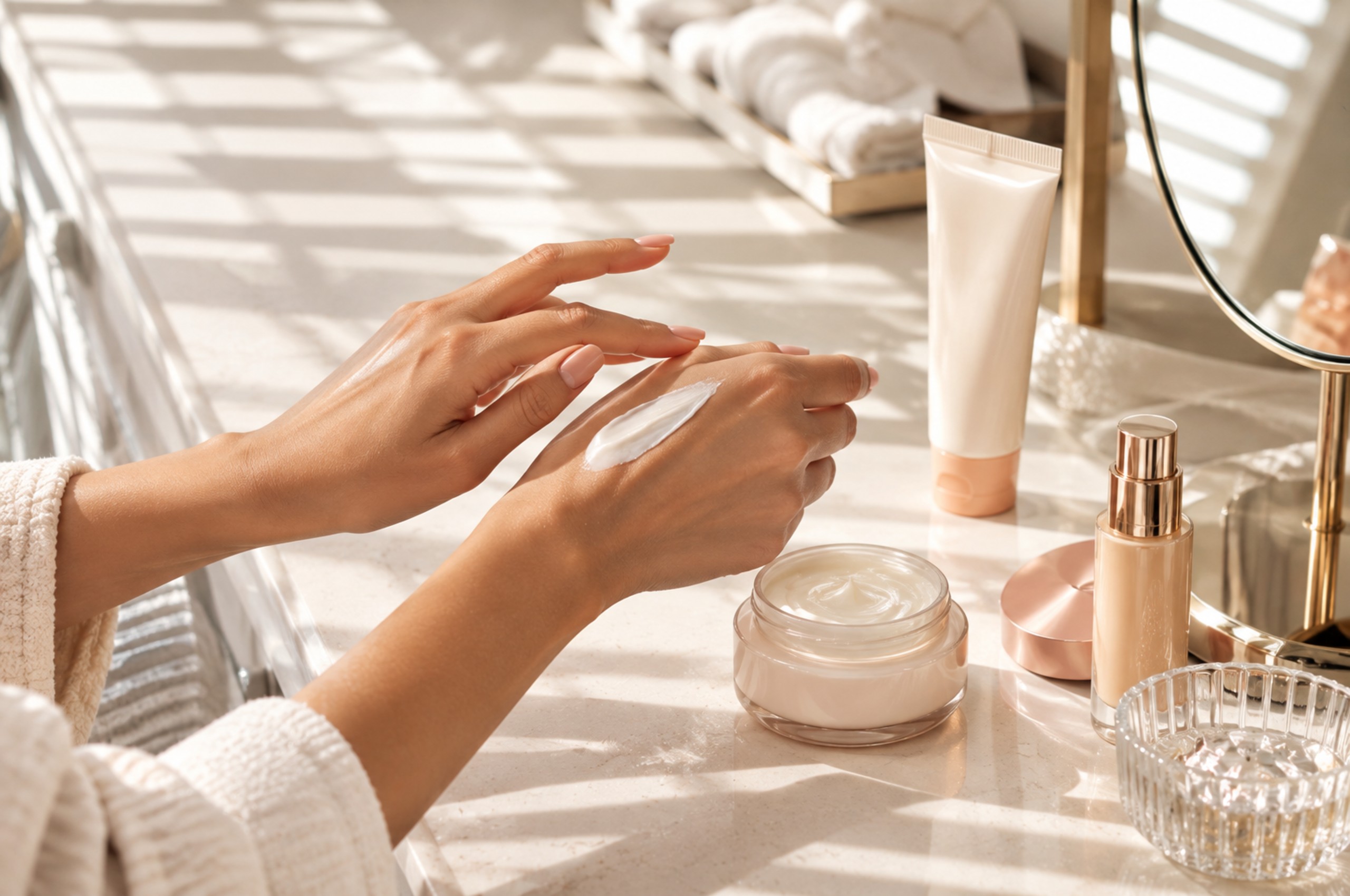
Before reaching for makeup, start with clean, comfortable skin.
A simple skincare routine can make makeup application easier because you’re starting with a clean and moisturized base.
If your morning routine includes sunscreen, apply it before makeup and allow it to settle according to the product’s directions. The American Academy of Dermatology recommends broad-spectrum sunscreen with SPF 30 or higher for everyday sun protection.
A simple order can be:
Cleanser → Moisturizer → Sunscreen → Makeup
Don’t feel that you need a large number of skincare products before makeup. The goal is simply to create a comfortable base.
Step 1: Use Only as Much Base Makeup as You Need
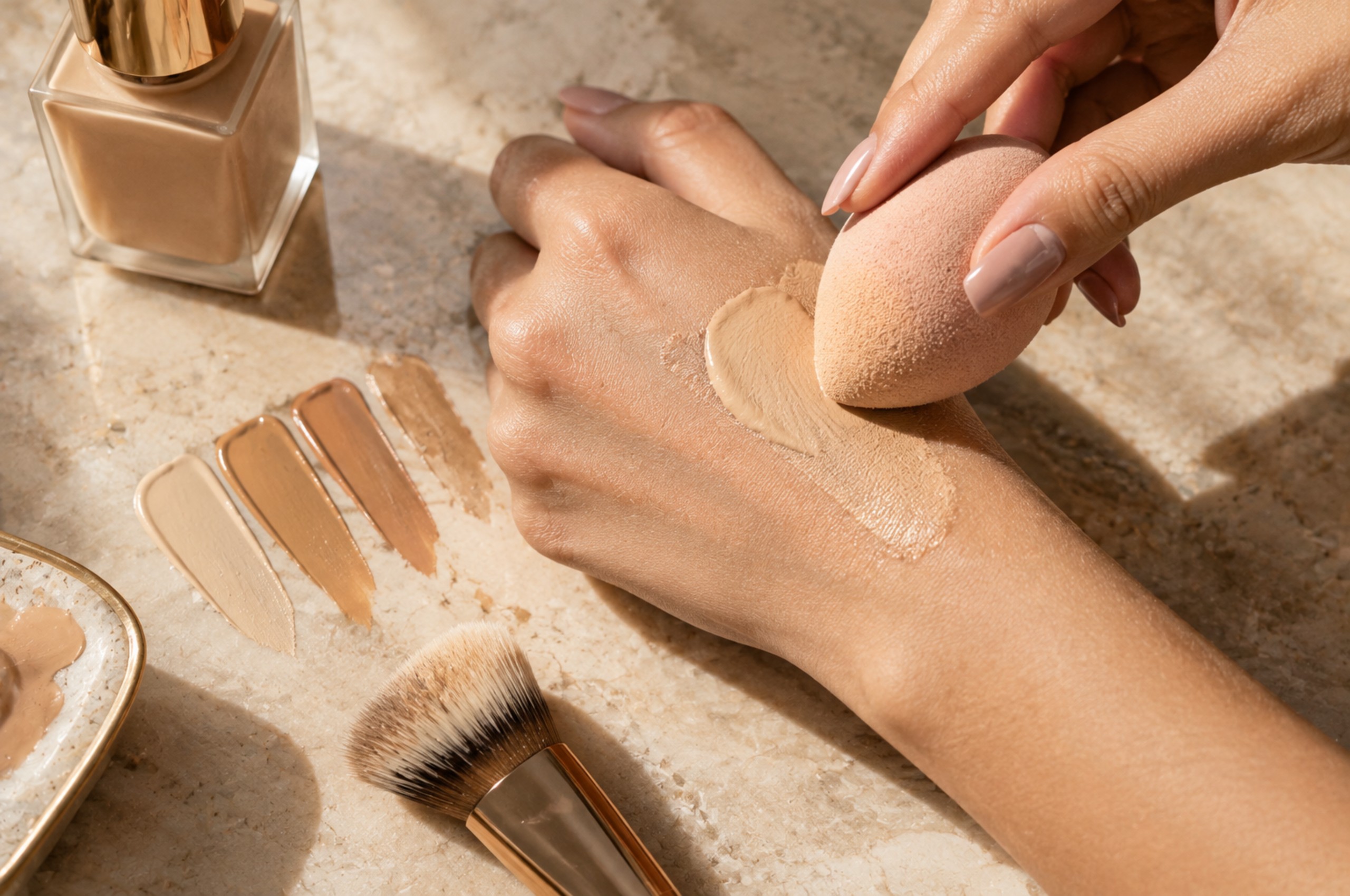
One of the easiest ways to make everyday makeup look more natural is to avoid applying too much foundation immediately.
Start with a small amount of foundation, skin tint, or another base product that suits your skin.
Apply it mainly where you want more even-looking coverage.
You can then blend outward using a makeup sponge, brush, or clean fingertips, depending on the product instructions and your preference.
The key idea:
Start light and build only where you need more coverage.
This helps you avoid creating a thick-looking layer over the entire face.
Recommended: Lightweight Foundation → Check Price
Step 2: Conceal Only Where Necessary
You don’t necessarily need a heavy layer of concealer across your entire face.
Instead, use a small amount around areas where you want additional coverage, such as visible blemishes or under-eye darkness.
Tap and blend rather than repeatedly rubbing the product across the skin.
The result should look more like your skin with a little extra coverage rather than a completely different complexion.
Step 3: Add a Soft Touch of Color
This is where an everyday makeup look can start looking much more lively.
A small amount of blush can add a healthy-looking flush to the face.
For a natural finish, choose a shade that works with your complexion and apply a small amount to the cheeks.
If you’re using a cream blush, start with very little product and build gradually.
A useful beginner rule:
You can always add more, but removing too much product can be harder.
So start with a light application and check your makeup in natural light.
Step 4: Keep the Eyes Simple
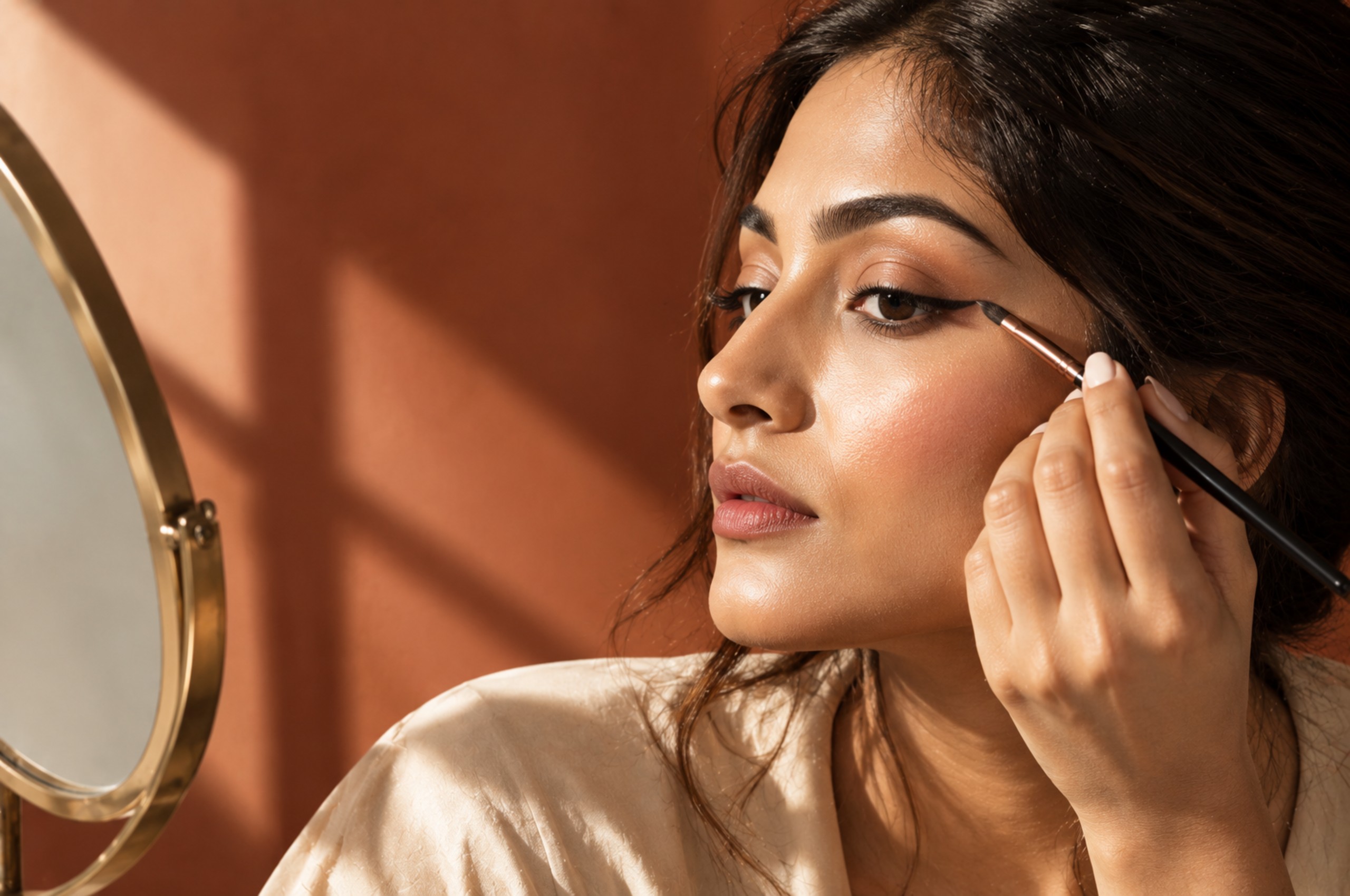
You don’t need complicated eyeshadow techniques for everyday makeup.
For a simple look, you can use :
- a neutral eyeshadow
- a soft brown eyeliner
- mascara
- or simply curled lashes with mascara
A soft brown or neutral shade can give the eyes definition without making the makeup feel dramatic.
If you prefer almost no eye makeup, mascara alone can also make the eyes look more defined.
When applying eye cosmetics, keep your hands and applicators clean and avoid sharing eye makeup. The FDA specifically advises against sharing eye cosmetics because contamination can increase the risk of infection.
Recommended: Everyday Mascara → Check Price
Step 5: Give Your Brows Some Definition
Brows can make a surprisingly noticeable difference to an everyday makeup look.
You don’t need to completely redraw them.
Instead, follow their natural shape and lightly fill areas that look sparse.
A brow pencil, powder, or tinted brow gel can work depending on the type of finish you prefer.
The goal is soft definition rather than perfectly identical brows.
Step 6: Choose a Comfortable Lip Color
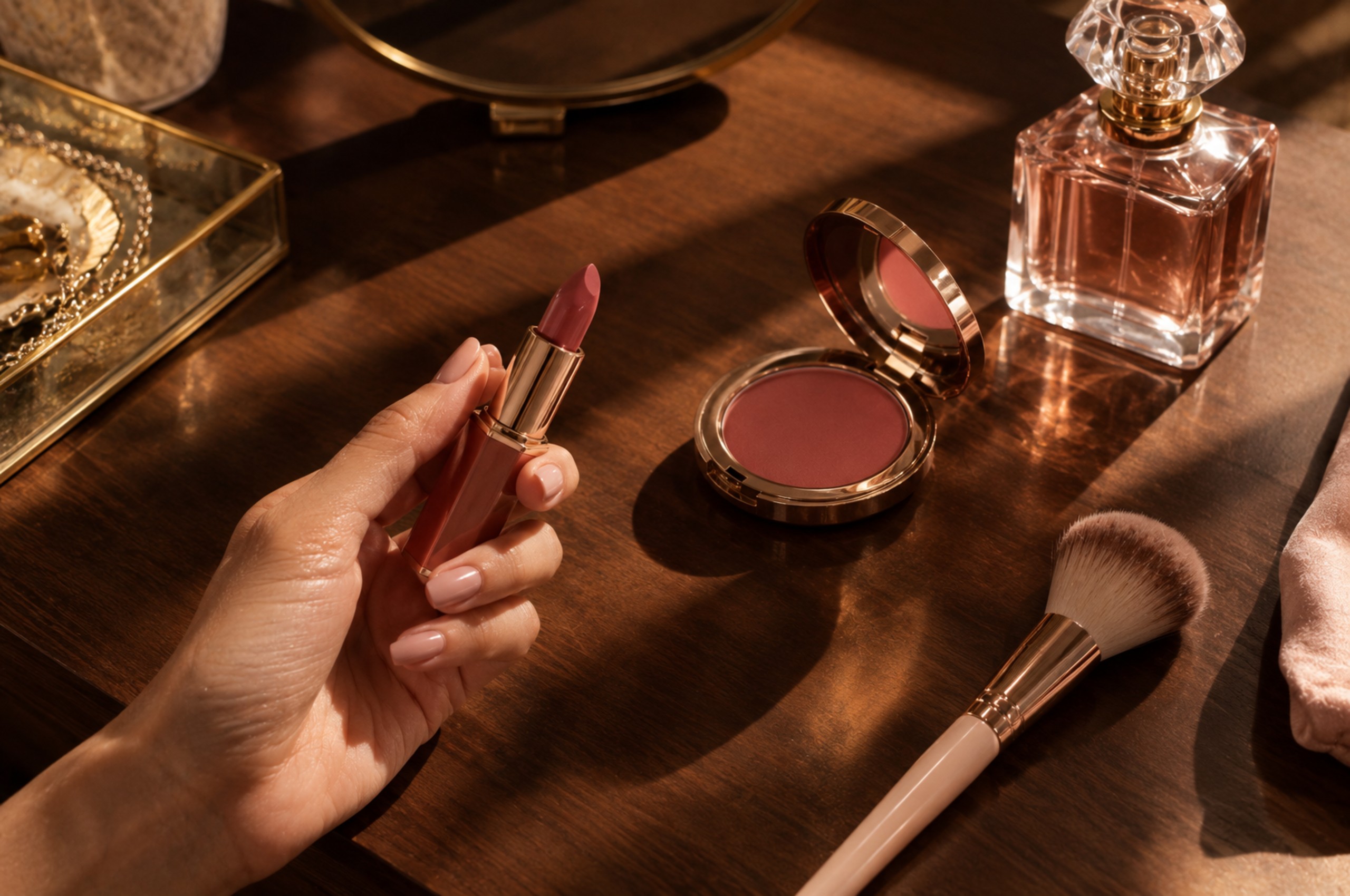
For everyday makeup, you don’t necessarily need a bold lipstick.
Try shades such as :
- nude pink
- soft rose
- peachy nude
- muted mauve
- natural brown-pink
A tinted lip balm can also work beautifully when you want something quick and comfortable.
If your eye makeup is very simple, you can add slightly more color to the lips. If you’re wearing a stronger lip shade, keeping the rest of the makeup soft can create balance.
Recommended: Everyday Nude/Pink Lip Color → Check Price
Step 7: Check Your Makeup in Natural Light
Before leaving home, take a quick look at your makeup in natural daylight if possible.
Artificial lighting can sometimes make makeup appear different from how it looks outdoors.
Check:
- foundation around the jawline
- concealer under the eyes
- blush intensity
- brows
- lipstick edges
- any visible makeup buildup
If something looks too strong, gently blend it instead of immediately adding another product.
How to Make Your Everyday Makeup Look More Natural
The biggest difference often comes from how much product you use, not how many products you own.
Keep the base lightweight.
A lighter base usually makes it easier for your natural skin texture to remain visible.
Blend around the edges.
Pay particular attention to areas where makeup meets your hairline, jawline, and neck.
Don’t over-powder.
Powder can be useful where you want to reduce shine, but applying it heavily everywhere may make the complexion look less fresh.
Use cream products carefully.
Cream blush or bronzer can create a soft finish, but use a small amount and build gradually.
Step away from the mirror.
After finishing your makeup, look at your entire face rather than focusing on one tiny area.
Sometimes makeup appears stronger when you’re looking at it extremely close to a mirror.
A Simple 10-Minute Everyday Makeup Routine
If you’re short on time, you don’t need to complete every possible makeup step.
Try this shorter routine:
1. Moisturizer + sunscreen
Prepare your skin.
2. Lightweight base
Even out the complexion where needed.
3. Concealer
Add coverage only where necessary.
4. Blush
Add a small amount of color.
5. Brows
Fill sparse areas lightly.
6. Mascara
Define the lashes.
7. Lip color
Finish with a comfortable everyday shade.
That’s enough to create a polished look without turning your morning into a long makeup session.
How to Keep Your Makeup Looking Fresh
Your makeup doesn’t need to remain absolutely perfect throughout the entire day.
Natural movement, facial expressions, weather, and skin oils can all change how makeup looks.
Instead of repeatedly adding more layers, carry only the products you actually need for touch-ups.
For example:
- lipstick or lip balm
- compact powder if you normally use it
- a small mirror
- blotting paper if useful for your skin
And remember to remove makeup properly at the end of the day. The AAD recommends removing makeup, including eye makeup, before going to bed.
Don't Forget Makeup Hygiene
Beautiful makeup also needs to be clean makeup.
Keep your brushes and applicators clean, close products properly after use, and avoid sharing makeup.
Pay particular attention to eye products. Mascara and other eye cosmetics have shorter practical lifespans because applicators can repeatedly introduce microorganisms into the product. FDA guidance also advises discarding dried mascara rather than adding water or saliva to it.
If a cosmetic changes noticeably in smell, color, or texture, it’s better to stop using it.

Final Thoughts
A natural everyday makeup look doesn’t require a huge makeup collection or advanced techniques.
Start with comfortable skin, use your base products lightly, add subtle definition to the eyes and brows, bring a little color to the cheeks, and finish with a lip shade that makes you feel comfortable.
Most importantly, don’t try to make your everyday makeup look like someone else’s face.
Use makeup to highlight your own features and create a routine that fits your lifestyle.
Once you know what works for you, your everyday makeup routine can become much faster, easier, and more enjoyable.