
Choosing a hair serum can feel confusing when there are so many products available. Some serums are designed to smooth frizz, while others focus on adding shine, improving manageability or protecting hair from styling.
The important thing is that one hair serum may not work equally well for every hair type.
Instead of choosing a serum only because it is popular or has attractive packaging, look at your hair texture, main concern, and the type of formula.
This guide will help you understand what to look for before buying a hair serum and how to use it properly.
What Does Hair Serum Actually Do?
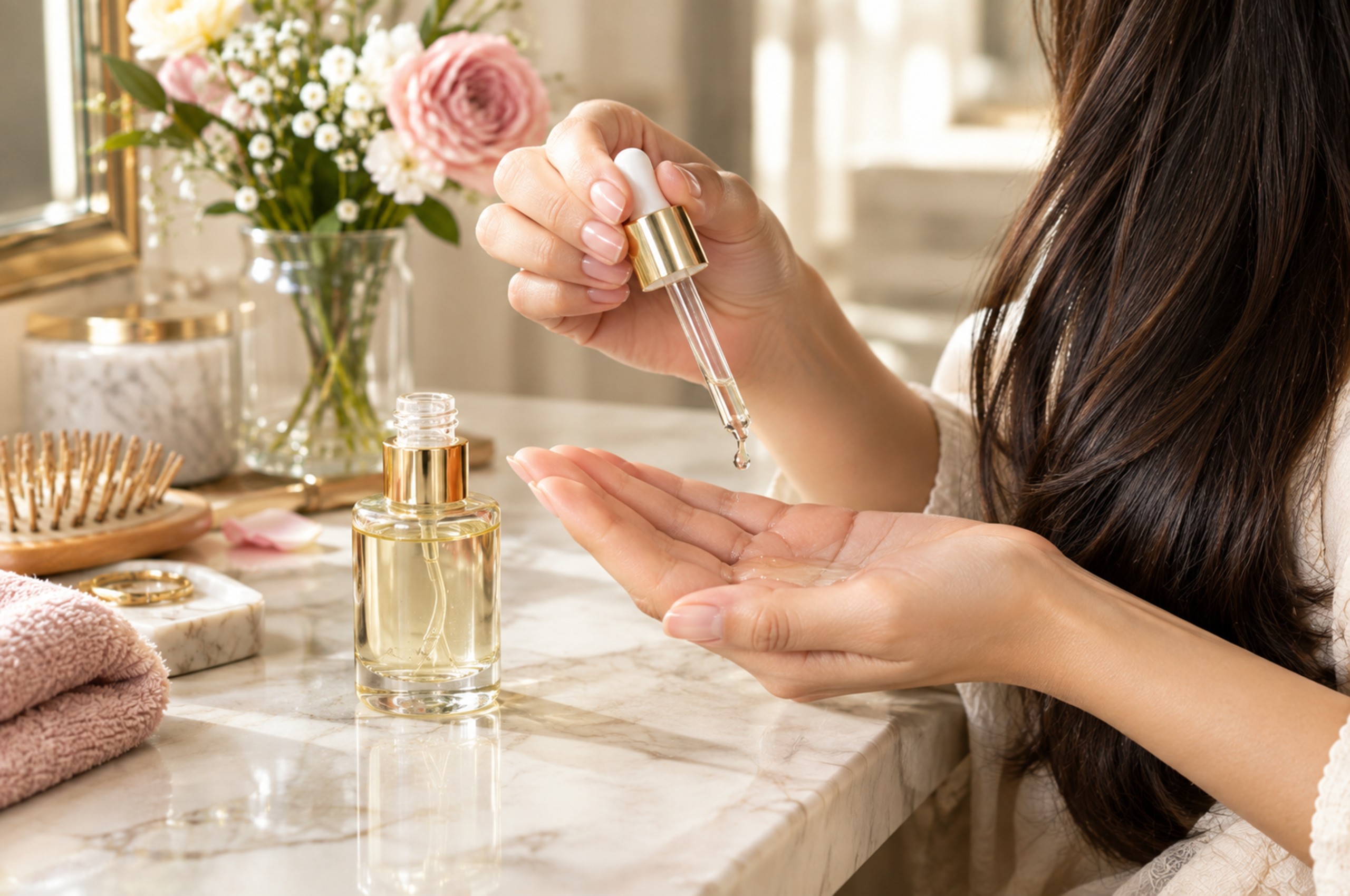
Hair serum is usually a lightweight leave-in product designed to coat the hair surface and improve how the hair looks and feels.
Depending on the formula, a serum may help with:
- Frizz and flyaways
- Dry-looking ends
- Lack of shine
- Rough-feeling hair
- Tangling and manageability
- The appearance of split ends
- Hair styling and finishing
However, a serum is mainly a hair-care and styling product. It does not permanently repair damaged hair or replace basic hair-care habits.
The right serum should make your hair feel more manageable without making it unnecessarily greasy or heavy.
How to Choose a Hair Serum
Before buying one, consider these three things:
Your hair type + your main hair concern + the serum’s texture and ingredients.
For example, someone with fine, oily hair may prefer a lightweight formula, while someone with thick, dry, or coarse hair may prefer a richer serum.
1. Start With Your Hair Type
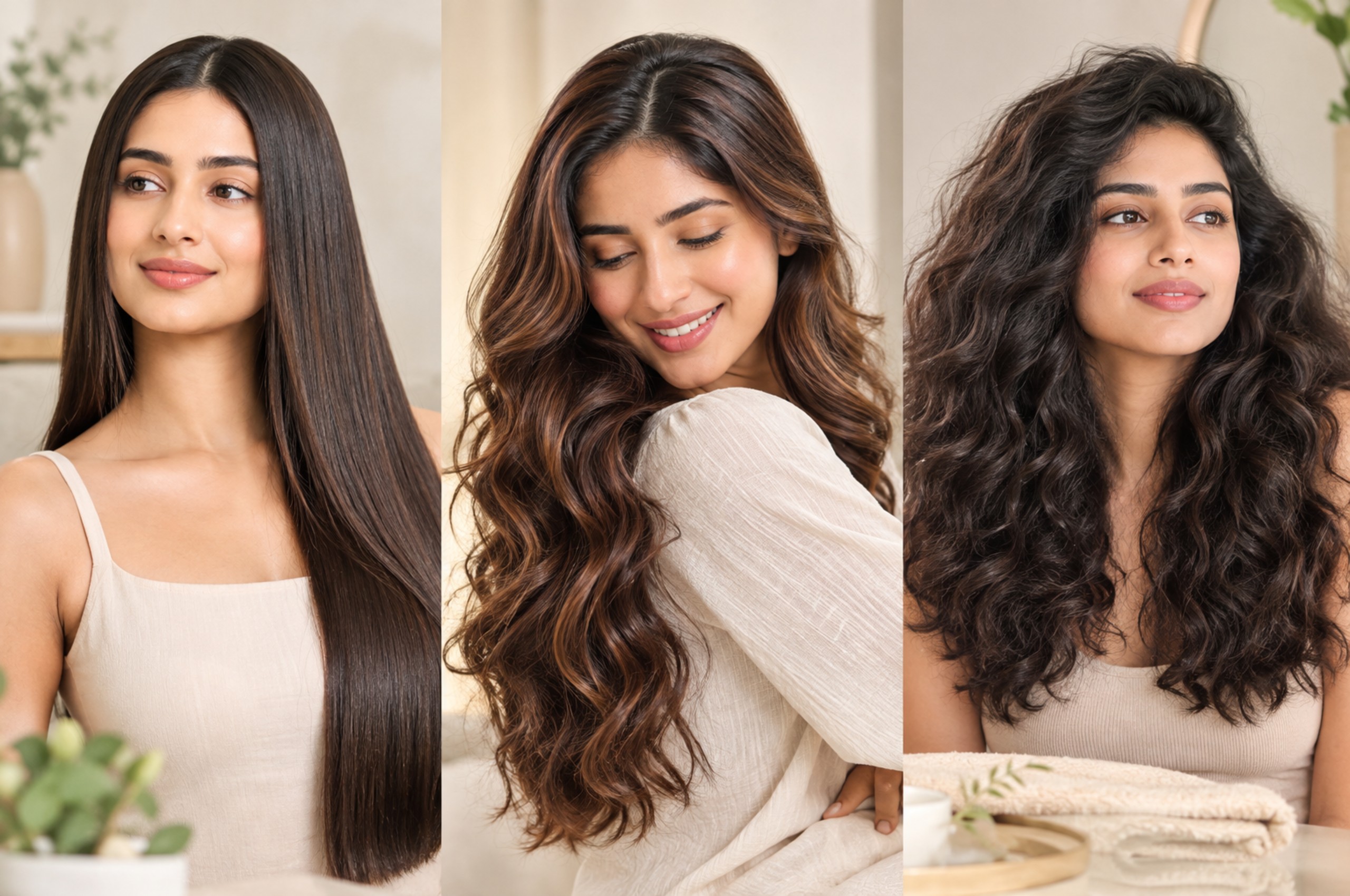
Your hair type is one of the easiest ways to narrow down your choices.
Fine Hair
Fine hair can become weighed down easily.
Look for:
- Lightweight formulas
- Non-greasy textures
- Small amounts of product
- Serums designed for smoothness and shine
Avoid applying too much serum near your roots.
Best approach: Start with one small drop and add more only if needed.
Thick or Coarse Hair
Thick hair often needs a little more product to control roughness and flyaways.
You may prefer:
- Smoother, slightly richer formulas
- Anti-frizz serums
- Nourishing-feeling formulas
- Products designed for dry or coarse hair
Apply mainly through the mid-lengths and ends.
Curly or Wavy Hair
Curly and wavy hair can be more prone to dryness and frizz.
Look for a serum that helps with:
- Frizz control
- Smoothness
- Shine
- Manageability
Avoid aggressively rubbing the product through your curls because this can disturb the hair’s natural pattern.
2. Choose According to Your Main Hair Concern
Your hair type isn’t the only thing that matters.
Think about what you actually want the serum to do.
If Your Hair Looks Frizzy
Look for a smoothing or anti-frizz formula.
A serum can help create a smoother-looking finish and tame some flyaways.
Apply a small amount to the mid-lengths and ends rather than covering the entire scalp.
If Your Hair Feels Dry
A serum with a smoother, conditioning feel may work better.
Look for formulas containing ingredients commonly used in hair-care products, such as
- Argan oil
- Jojoba oil
- Coconut-derived ingredients
- Silicones such as dimethicone or amodimethicone
Remember that ingredients can behave differently depending on the complete formula, so don’t judge a product by one ingredient alone.
If Your Hair Looks Dull
Choose a lightweight smoothing serum that is designed to add shine.
Use only a small amount.
Too much product can make the hair look oily instead of glossy.
If Your Hair Has Flyaways
A small amount of serum can be useful as a finishing product.
Rub a tiny amount between your palms and gently smooth it over the areas where you notice flyaways.
3. Pay Attention to the Texture
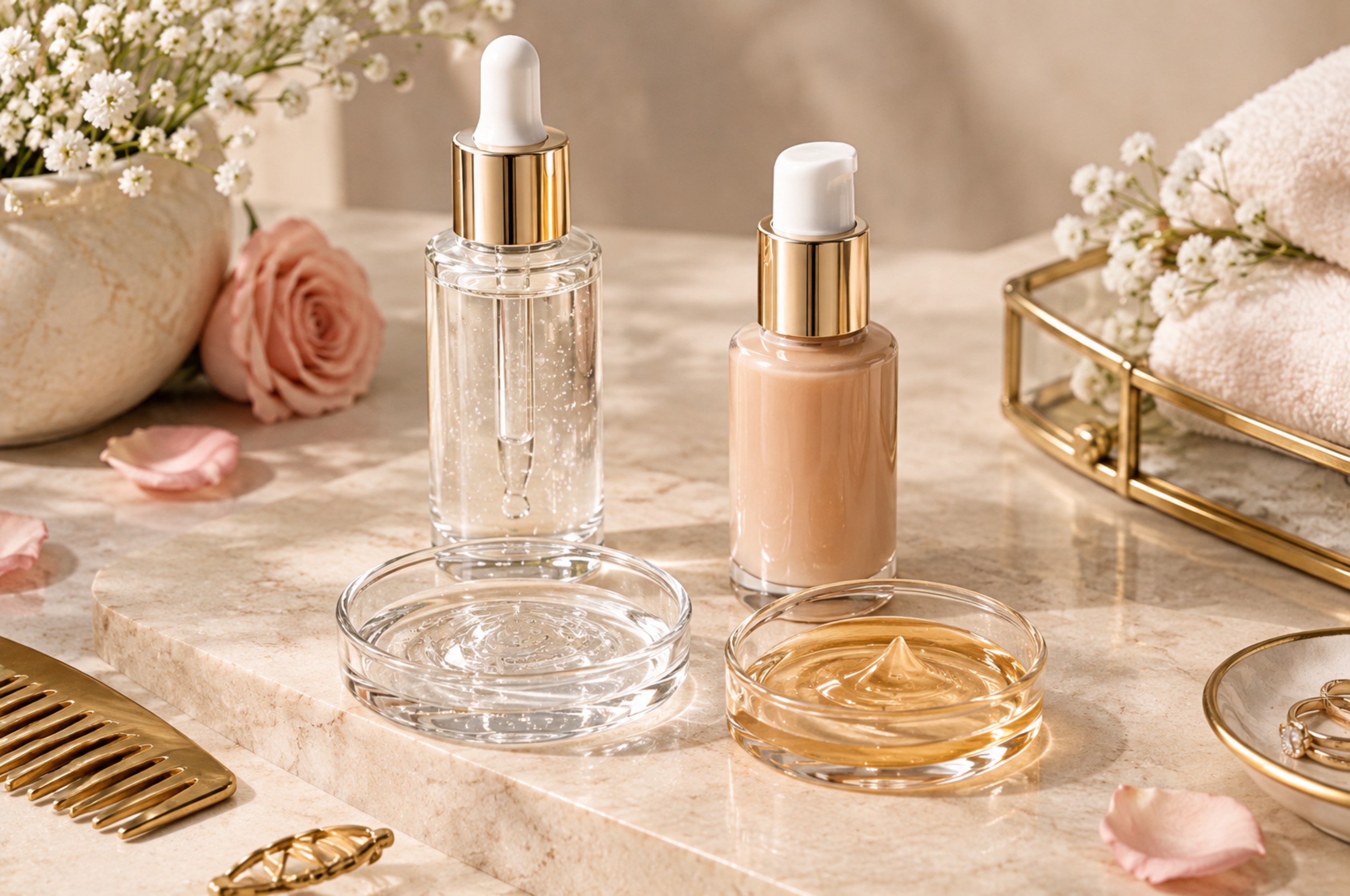
The texture of the serum matters more than many people realize.
Lightweight Serum
Best suited for:
- Fine hair
- Straight hair
- Hair that becomes greasy easily
- Everyday use
It usually feels lighter and is less likely to make fine hair look flat when used correctly.
Richer Serum
May suit:
- Thick hair
- Coarse hair
- Very dry-looking lengths
- Frizz-prone hair
You generally need less product than you might expect.
Tip: Always start with a small amount. You can add more, but removing excess product usually means washing your hair again.
4. Check the Ingredients
You don’t need to understand every ingredient on the bottle.
Instead, look for ingredients that match your specific goal.
For Smoothness and Frizz Control
Some serums use silicones such as
- Dimethicone
- Amodimethicone
- Cyclopentasiloxane
These ingredients can help provide slip, smoothness, and a polished appearance.
For a Nourished Feel
Some formulas contain oils or plant-derived ingredients such as
- Argan oil
- Jojoba oil
- Coconut oil
These can give hair a softer, smoother feel depending on the formulation.
For Heat Styling
If you regularly use a straightener, curling iron, or blow dryer, consider a product specifically labeled for heat protection.
Don’t assume every hair serum automatically provides adequate heat protection. Check the product label.
5. Think About How Often You Style Your Hair
Your styling routine should also influence your choice.
If you rarely use heat tools, you may mainly want:
Smoothness + shine + frizz control
If you frequently blow-dry, straighten, or curl your hair, you may want a product that specifically offers heat protection, rather than relying on an ordinary finishing serum.
This small distinction can make your product choice much easier.
6. How Much Hair Serum Should You Use?

This is where many people go wrong.
More serum doesn’t necessarily mean better results.
Start with:
1–2 drops for fine or short hair
and slightly more for:
thick, long, or very dry hair.
Spread the serum between your palms first.
Then gently apply it to the:
mid-lengths → ends
Avoid applying a large amount directly to the scalp unless the specific product instructions say it is designed for scalp use.
7. When Should You Apply Hair Serum?
You can use hair serum depending on the product’s instructions and your styling routine.
On Damp Hair
Applying a suitable serum to damp hair can help with:
- Easier detangling
- Smoothness
- Manageability
- Styling
On Dry Hair
A small amount can be useful as a finishing step to:
- Smooth flyaways
- Add shine
- Improve the finished look
Always check the instructions on your particular product.
Hair Serum Buying Guide at a Glance
| Hair Concern | What to Look For |
|---|---|
| Fine hair | Lightweight serum |
| Thick hair | Smoothing or richer formula |
| Dry hair | Conditioning/oil-based ingredients |
| Frizzy hair | Anti-frizz/smoothing formula |
| Dull hair | Lightweight shine-enhancing serum |
| Flyaways | Lightweight finishing serum |
| Frequent heat styling | Serum with stated heat protection |
| Curly/wavy hair | Frizz-control and smoothing formula |
Common Mistakes When Using Hair Serum
Using Too Much
This is probably the most common mistake.
Start small and increase only if necessary.
Applying It Directly to the Scalp
Most regular hair serums are intended for the lengths and ends, not the scalp.
Choosing a Heavy Formula for Fine Hair
A rich serum may make fine hair look flat or greasy.
Expecting Serum to Repair Damaged Hair
Serum can improve the appearance and feel of hair, but severely damaged hair cannot simply be repaired by applying a cosmetic product.
Ignoring Product Instructions
Different formulas are made for different purposes. Always check the packaging for directions and warnings.
Recommended Products
1. Hair Serum for Frizz Control
Price
👉 If Your Hair Looks Frizzy
Recommended: Anti-Frizz Hair Serum → Check Price
2. Lightweight Hair Serum
👉 Lightweight Serum
Recommended: Lightweight Hair Serum → Check Price
3. Hair Serum for Dry Hair
👉 If Your Hair Feels Dry
Recommended: Nourishing Hair Serum → Check Price
4. Heat Protection Serum
👉 If you frequently use heat tools
Recommended: Heat-Protecting Hair Serum → Check Price
5. Everyday Hair Serum
👉 Hair Serum Buying Guide at a Glance Recommended: Everyday Smoothing Hair Serum → Check Price
Important: Actual product ke naam aur affiliate links tabhi add karo jab woh product genuinely us description se match karta ho. Random product ko sirf affiliate commission ke liye recommend mat karo.
Final Thoughts

Choosing a hair serum doesn’t have to be complicated.
Instead of looking for the most expensive or most popular product, start by understanding your hair type and your main concern.
Fine hair may need a lightweight formula, while thick or dry hair may benefit from a richer smoothing product. If you regularly use heat styling tools, look for a serum that specifically states that it offers heat protection.
Most importantly, start with a small amount and apply it mainly to the mid-lengths and ends.
The right serum should fit naturally into your existing hair-care routine rather than making the routine more complicated.
Your goal isn’t to use more products. It’s to choose the right product for what your hair actually needs.