
You use a good conditioner, but your hair still feels dry by evening. Or maybe products sit on top of your hair and never seem to absorb. If that sounds familiar, the issue might not be your products at all. It could be your hair porosity.
Hair porosity decides how well your hair takes in and holds moisture. Once you know your type, choosing the right products becomes much easier.
What Is Hair Porosity?
Porosity refers to how open or closed the outer layer of your hair, called the cuticle, is. This layer controls how easily moisture and oils move in and out of each strand.
There are three main types. Low porosity hair has a tightly closed cuticle, so moisture struggles to get in. Medium porosity hair has a balanced cuticle that absorbs and holds moisture well. High porosity hair has a very open cuticle, so moisture gets in fast but also escapes just as quickly.
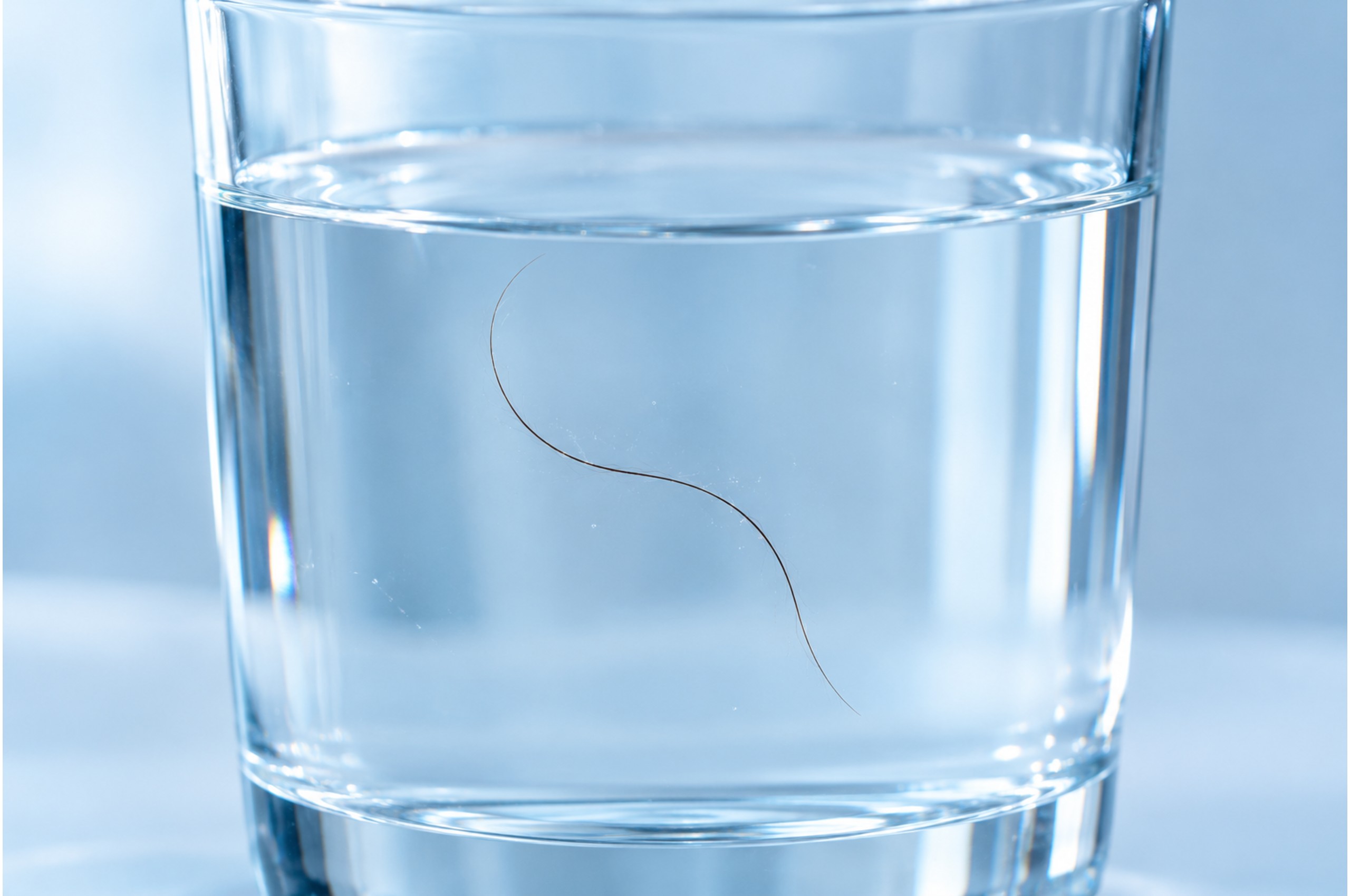
The Water Glass Test: Find Your Type at Home
This simple test takes just a few minutes.
- Take a clean strand of hair from your brush or comb.
- Drop it into a glass of room-temperature water.
- Wait 2 to 4 minutes and watch what happens.
If the strand floats near the top, you likely have low porosity hair. A strand that floats in the middle points to medium porosity. And if it sinks to the bottom, that usually means high porosity hair.
This test is not perfectly scientific, but it gives a strong starting point.
Signs of Low Porosity Hair
Low porosity hair often takes a long time to get fully wet in the shower. Products tend to sit on top instead of soaking in. Hair air-dries slowly, and heavy creams or oils often leave it looking greasy rather than nourished.
Signs of High Porosity Hair
High porosity hair usually absorbs water very quickly but dries out just as fast. It tends to frizz easily, especially in humidity. Hair often feels rough or tangles easily, and color or chemical treatments fade faster than expected.
Signs of Medium Porosity Hair
Medium porosity hair is often considered the easiest to manage. It holds styles well, takes color evenly, and generally looks healthy with a fairly simple routine.
How to Build a Routine for Low Porosity Hair
Low-porosity hair needs help letting products in. A few adjustments make a real difference.
Use lightweight, water-based products instead of heavy creams. Apply products to damp, not soaking wet, hair. Warmth helps open the cuticle, so apply a hair mask with gentle heat, like a warm towel wrapped around your head for 10 to 15 minutes. Avoid heavy oils and butters on their own, since they tend to sit on the surface without absorbing.
Recommended: Pilgrim Korean Rice Water
How to Build a Routine for High Porosity Hair
High porosity hair needs help holding on to moisture once it gets in.
Follow every wash with a good conditioner and do not skip this step. Seal in moisture with a light oil after applying leave-in conditioner. A proper hair serum can also help smooth the cuticle and reduce frizz throughout the day. Deep condition once a week, since this hair type benefits from extra moisture more than other types.
Recommended: WishCare Hair Growth Serum Concentrate
Habits That Help Any Porosity Type
Regardless of your hair type, a few habits support healthier hair overall. Reducing heat styling damage keeps the cuticle from becoming more porous over time. Gentle handling when hair is wet also matters, since wet hair is more fragile and prone to breakage. Trimming regularly prevents split ends from making porosity issues worse, and a healthy scalp supports healthy hair growth from the root.
If hair thinning or shedding is also a concern alongside porosity issues, it helps to look at natural remedies for hair loss as part of your overall routine.
Recommended: Wide-tooth detangling comb
Common Mistakes by Porosity Type
Low porosity hair often suffers from product buildup because heavy creams and butters are used too often. High-porosity hair often gets over-washed, which strips moisture that it struggles to hold onto in the first place. Both types can suffer from skipping a basic hair care routine altogether, assuming expensive products alone will fix the problem.
Frequently Asked Questions
Can hair porosity change over time?
Yes. Heat styling, chemical treatments, and sun exposure can raise porosity by damaging the cuticle. Porosity is not always fixed for life.
Is low porosity or high porosity harder to manage?
Both have challenges. Low porosity struggles to absorb products, while high porosity struggles to retain moisture. Neither is better or worse, just different.
Do I need different shampoo for different porosity types?
Not strictly, but lightweight, clarifying shampoos usually suit low-porosity hair better, while gentle, moisturizing shampoos suit high-porosity hair better.
How often should I do the water glass test?
Once is usually enough unless your hair has gone through major changes, like chemical treatments or significant heat damage.
Final Thoughts
Understanding your hair porosity takes the guesswork out of your routine. Once you know whether your hair struggles to absorb moisture or struggles to hold onto it, choosing the right products becomes far simpler. Try the water glass test today, and adjust your routine based on what you find.