
Sunscreen is one of those skincare products that seems simple until you start reading the label.
SPF 30, SPF 50, PA+++, broad spectrum, water resistant, gel, cream, lotion—the choices can quickly become confusing.
But choosing sunscreen does not have to be complicated.
The most important thing is understanding what the label actually means and how sunscreen fits into your everyday routine.
Whether you spend most of your day indoors, commute to work, exercise outdoors, or simply want to make sun protection a regular part of your skincare routine, understanding the basics can help you make a more informed choice.
In this guide, we will look at SPF and PA ratings, how much sunscreen to apply, when to reapply, and how to choose a formula that feels comfortable on your skin.
Why Is Sunscreen Important?
Sunlight contains ultraviolet radiation, commonly called UV radiation. Two types that are especially relevant to skin protection are UVA and UVB.
UV exposure can contribute to sunburn and premature skin aging. Regular sun protection is therefore an important part of a sensible skincare routine.
The challenge is that sunscreen only works properly when you use enough of it and apply it consistently.
That means finding a sunscreen you actually enjoy wearing can be just as important as looking at the number printed on the bottle.
Understanding SPF: What Does the Number Actually Mean?
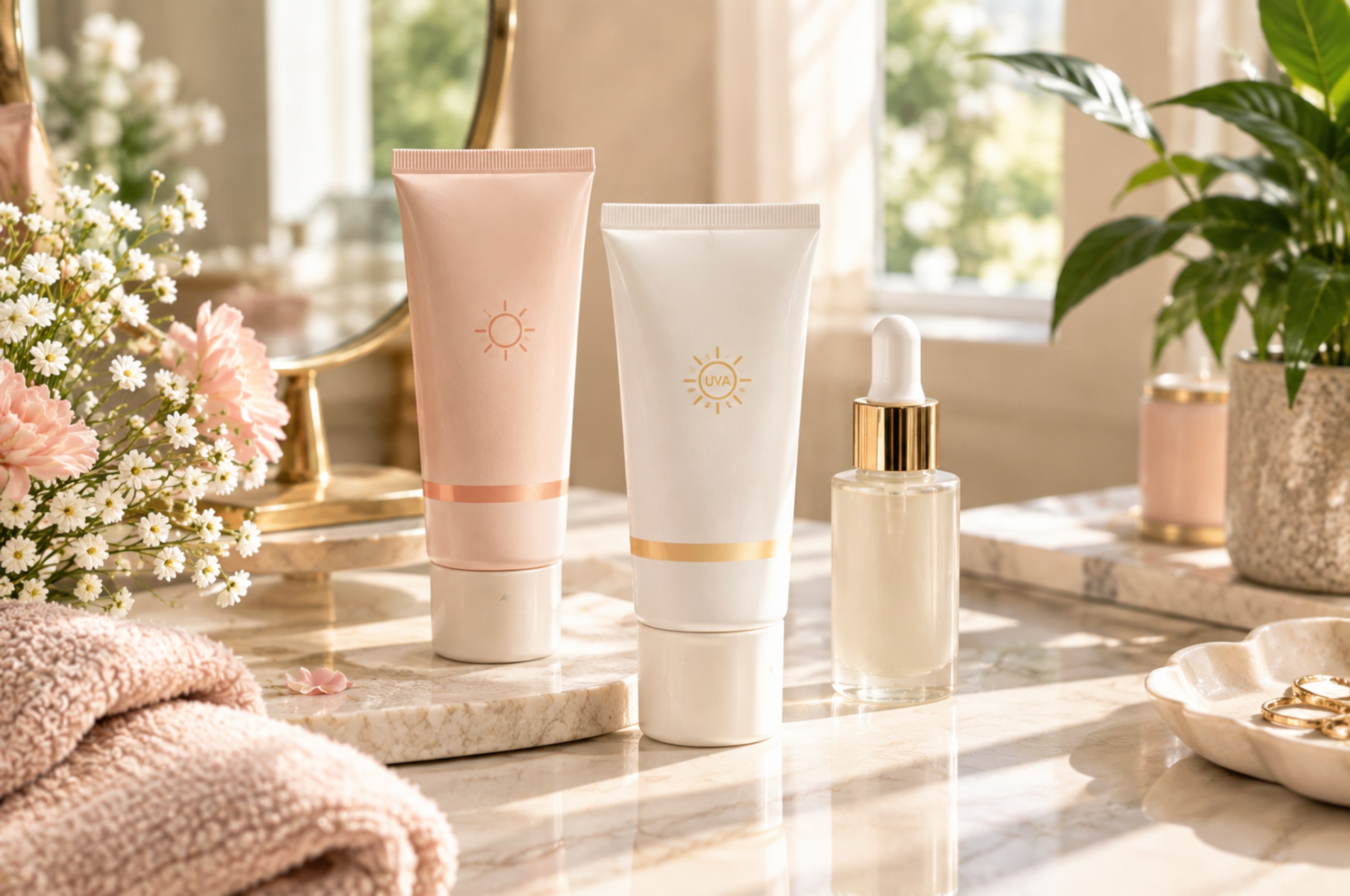
SPF stands for Sun Protection Factor.
It is mainly used to indicate a sunscreen’s protection against UVB radiation, which is strongly associated with sunburn.
You will commonly see products labelled:
- SPF 30
- SPF 50
- SPF 50+
A higher SPF does not mean you can apply the product once and forget about sun protection for the rest of the day.
Instead, think of SPF as one part of the overall protection picture.
For everyday use, many people choose a broad-spectrum sunscreen with SPF 30 or higher, especially when they expect meaningful sun exposure.
What Does PA+++ or PA++++ Mean?
This is where sunscreen labels can become confusing.
PA is a rating system used to indicate UVA protection.
You may see:
- PA+
- PA++
- PA+++
- PA++++
Generally, more plus signs indicate a higher level of UVA protection.
UVA exposure is associated with photoaging and can contribute to long-term skin damage.
So, when choosing sunscreen, looking at both SPF and UVA protection is useful rather than focusing on SPF alone.
SPF vs PA: What's the Difference?
A simple way to remember it is:
SPF → mainly UVB protection
PA → UVA protection
This is why a good everyday sunscreen should ideally provide broad-spectrum protection, meaning protection against both UVA and UVB radiation.
If you are comparing two products with similar SPF ratings, checking their UVA protection can help you make a more informed choice.
How Much Sunscreen Should You Use?
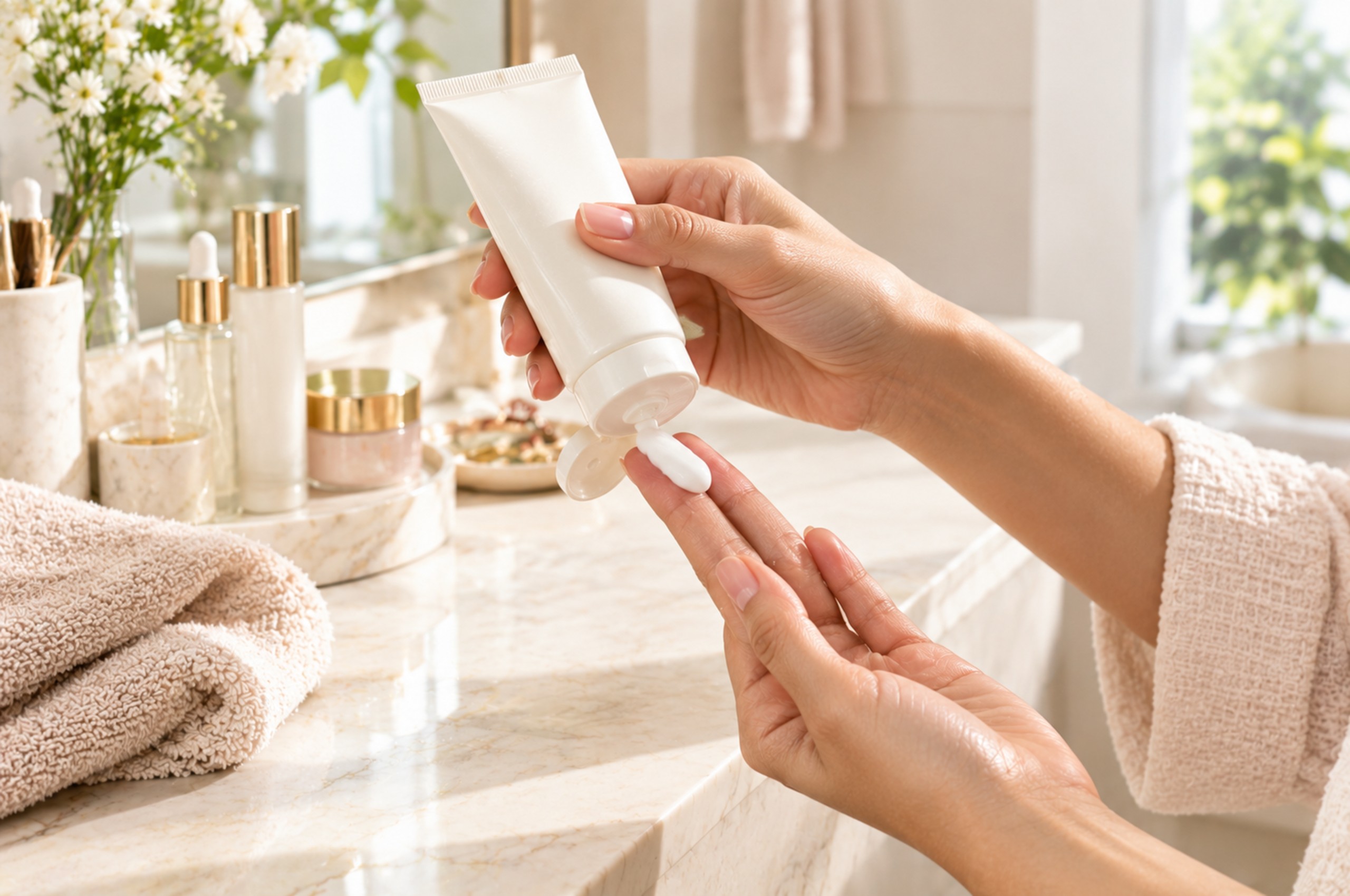
This is one of the most important parts of sunscreen application.
Using a very small amount may leave your skin with less protection than you expect from the product’s labelled SPF.
A commonly used practical guideline for the face is the two-finger method: applying sunscreen along the length of two fingers and using that amount for the face and neck, while adjusting as needed depending on the product and areas being covered.
Don’t forget commonly missed areas such as :
- Ears
- Neck
- Hairline
- Around the sides of the face
If your sunscreen is also being used on exposed body areas, you will need considerably more product.
When Should You Apply Sunscreen?
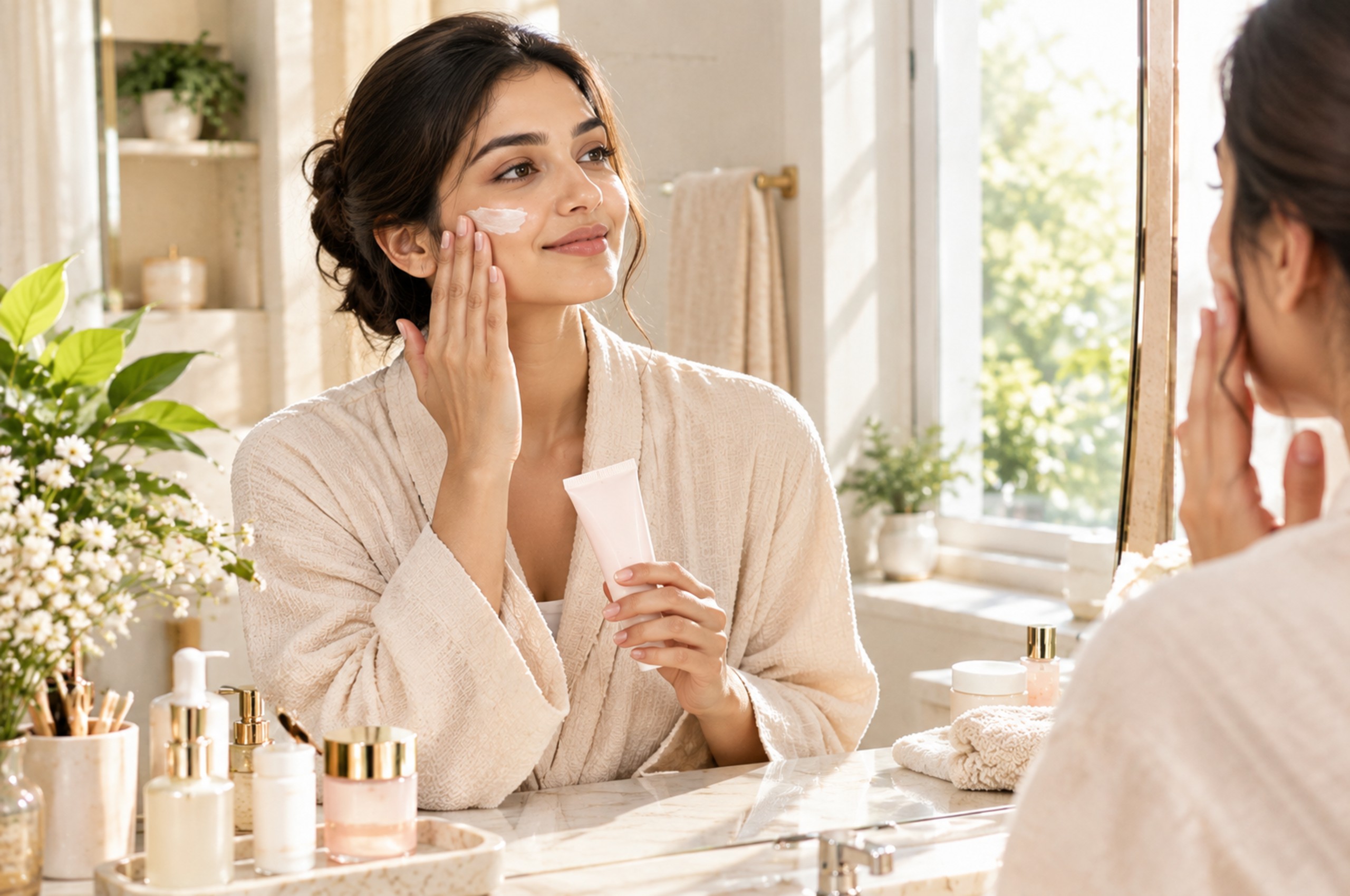
Sunscreen should generally be the last step of your morning skincare routine before makeup, unless the product instructions say otherwise.
A simple morning order can look like :
Cleanser → Serum → Moisturizer → Sunscreen → Makeup
If your moisturizer already provides some sun protection, it is still worth checking whether it offers the level and type of protection you actually want.
For dedicated sun protection, a sunscreen labelled with an appropriate SPF and broad-spectrum protection is usually the more straightforward choice.
Do You Need Sunscreen When You're Indoors?
This depends on your environment and exposure.
If you are spending the entire day away from direct sunlight, your exposure will generally be lower than when you are outdoors.
However, if you spend time near windows, travel during the day, sit in a bright outdoor area or regularly move between indoor and outdoor environments, making sunscreen part of your morning routine can be a practical habit.
The goal is not to make skincare unnecessarily complicated.
It is to create a routine that works for your actual lifestyle.
How Often Should You Reapply Sunscreen?
Sunscreen is not a one-time morning step if you are spending significant time outdoors.
Reapplication becomes particularly important when you:
- Spend extended time outdoors
- Sweat heavily
- Swim
- Towel off your skin
- Exercise outdoors
Follow the instructions on your particular sunscreen, especially if it claims to be water resistant.
If you are outdoors for a long period, regular reapplication is important because sunscreen can wear away through sweat, water, rubbing, and normal activity.
How to Choose Sunscreen for Your Skin Type
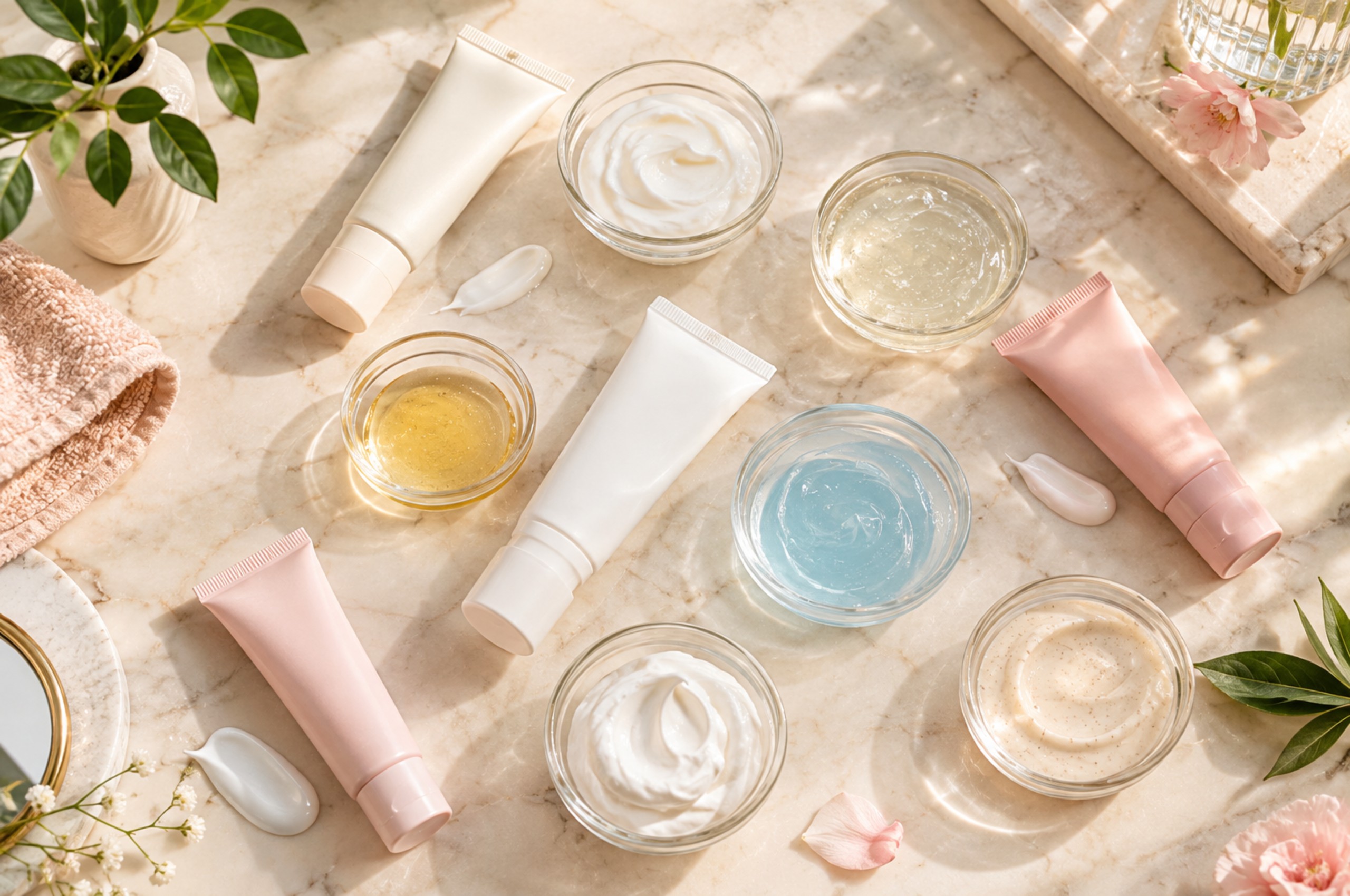
There is no single sunscreen texture that works perfectly for everyone.
For oily or combination skin
Look for lightweight textures such as:
- Gel
- Fluid
- Lightweight lotion
A comfortable, non-greasy formula may make it easier to use sunscreen consistently.
For dry skin
Cream or moisturizing sunscreen formulas may feel more comfortable.
You can also look for formulas containing moisturizing ingredients if they suit your skin.
For sensitive skin
A simpler formula with fewer potential irritants may be preferable.
If your skin is sensitive or reactive, patch testing a new product can be a sensible step.
For acne-prone skin
Many people prefer lightweight, non-comedogenic formulas.
However, “non-comedogenic” does not guarantee that a product will work perfectly for every individual, so pay attention to how your own skin responds.
Should You Choose Sunscreen Based on Your Lifestyle?
Absolutely.
Your ideal sunscreen is not necessarily the one with the most impressive-looking packaging or the highest price.
Think about how you actually use it.
If you work from home, you may prioritize a comfortable, lightweight formula.
If you commute every day, you may want something that sits well under makeup.
If you exercise outdoors, sweat and water resistance may become more important.
If you travel frequently, you may prefer a portable formula that is easy to reapply.
The best sunscreen is ultimately one that provides appropriate protection and that you are willing to use consistently.
Common Sunscreen Mistakes to Avoid
A few simple mistakes can reduce the effectiveness of your sun-protection routine.
Applying too little
Using a tiny amount may not provide the protection you expect.
Forgetting the neck and ears
People often focus only on the center of the face.
Applying only on very sunny days
UV exposure isn’t limited to extremely hot or visibly sunny days.
Not reapplying during prolonged outdoor exposure
Sweating, swimming, and rubbing can remove sunscreen.
Choosing a product you dislike wearing
If the texture feels uncomfortable, greasy, or irritating, you may stop using it regularly.
Comfort matters because consistency matters.
A Simple Sunscreen Routine You Can Actually Follow
You don’t need a complicated system.
Try this:
Morning
- Cleanse your face.
- Apply your usual skincare products.
- Apply an adequate amount of sunscreen to exposed skin.
- Give it time to settle according to the product instructions.
- Apply makeup if you wear it.
- Reapply when needed, particularly during extended outdoor exposure.
That’s it.
The goal is not to create another complicated skincare rule.
It is simply to make sun protection a normal part of your day.

Final Thoughts
Understanding sunscreen becomes much easier once you know what the important terms mean.
SPF relates mainly to UVB protection, while PA indicates UVA protection. Looking for broad-spectrum protection, using an adequate amount and reapplying when necessary can make your sun-protection routine more effective.
Most importantly, don’t feel pressured to find a complicated or expensive product.
Choose a sunscreen that suits your skin, lifestyle, and preferred texture—and make it a habit you can realistically maintain.
Because when it comes to skincare, consistency is often more useful than complexity.