
Retinol is one of the most talked-about skincare ingredients. It is also one of the most misunderstood. Many people try it once, get red and flaky skin, and quit. That is a shame, because the problem is usually how they started, not the ingredient itself.
This guide to retinol for beginners keeps things simple. You will learn what retinol does, how to begin, and how to keep your skin comfortable along the way.
This post contains affiliate links. If you buy through them, we may earn a small commission at no extra cost to you.
What Is Retinol, and What Does It Do?
Retinol is a form of vitamin A. It helps your skin renew itself faster. Over time, that can improve several common concerns:
- Clogged pores and frequent breakouts
- Rough or uneven skin texture
- Dark marks left behind by old pimples
- Fine lines and early signs of aging
Results do not show up overnight. Most people notice a real difference after about 12 weeks of steady use. Patience matters more than strength here.
Who Should Use Retinol, and Who Should Wait
Retinol suits most healthy adults who want smoother, clearer skin. A few situations need extra care, though.
If you are pregnant, planning a pregnancy, or breastfeeding, skip retinol and ask your doctor first. The same goes for very sensitive skin, eczema, or a damaged skin barrier. Heal your skin first, then think about retinol. When in doubt, a dermatologist can guide you.
How to Choose Your First Retinol
Choosing well makes the whole experience easier. Keep these three points in mind:
- Strength: Start low. A retinol serum with 0.2% to 0.3% strength is enough for a beginner.
- Texture: Oily skin usually likes a light serum or gel. Dry skin often feels better with a cream.
- Packaging: Light and air weaken retinol. Look for a dark bottle, tube, or pump.
Also avoid heavy fragrance if your skin is sensitive. Simple formulas usually cause fewer problems.
Recommend: Minimalist 0.3% Retinol Face Serum
How to Start Using Retinol: Step by Step
Follow these steps in order. Do not skip ahead.
Step 1: Do a patch test. Put a tiny amount behind your ear or along your jawline. Wait two to three days. If you see no redness or itching, you can continue.
Step 2: Cleanse gently at night. Retinol works best at night. A calm, clean base helps, and a proper double cleansing routine is a good way to prepare your skin. Avoid harsh face washes that leave your skin tight.
Step 3: Dry your face fully. Wet skin absorbs more product, which raises the chance of irritation. Wait a few minutes until your skin feels completely dry.
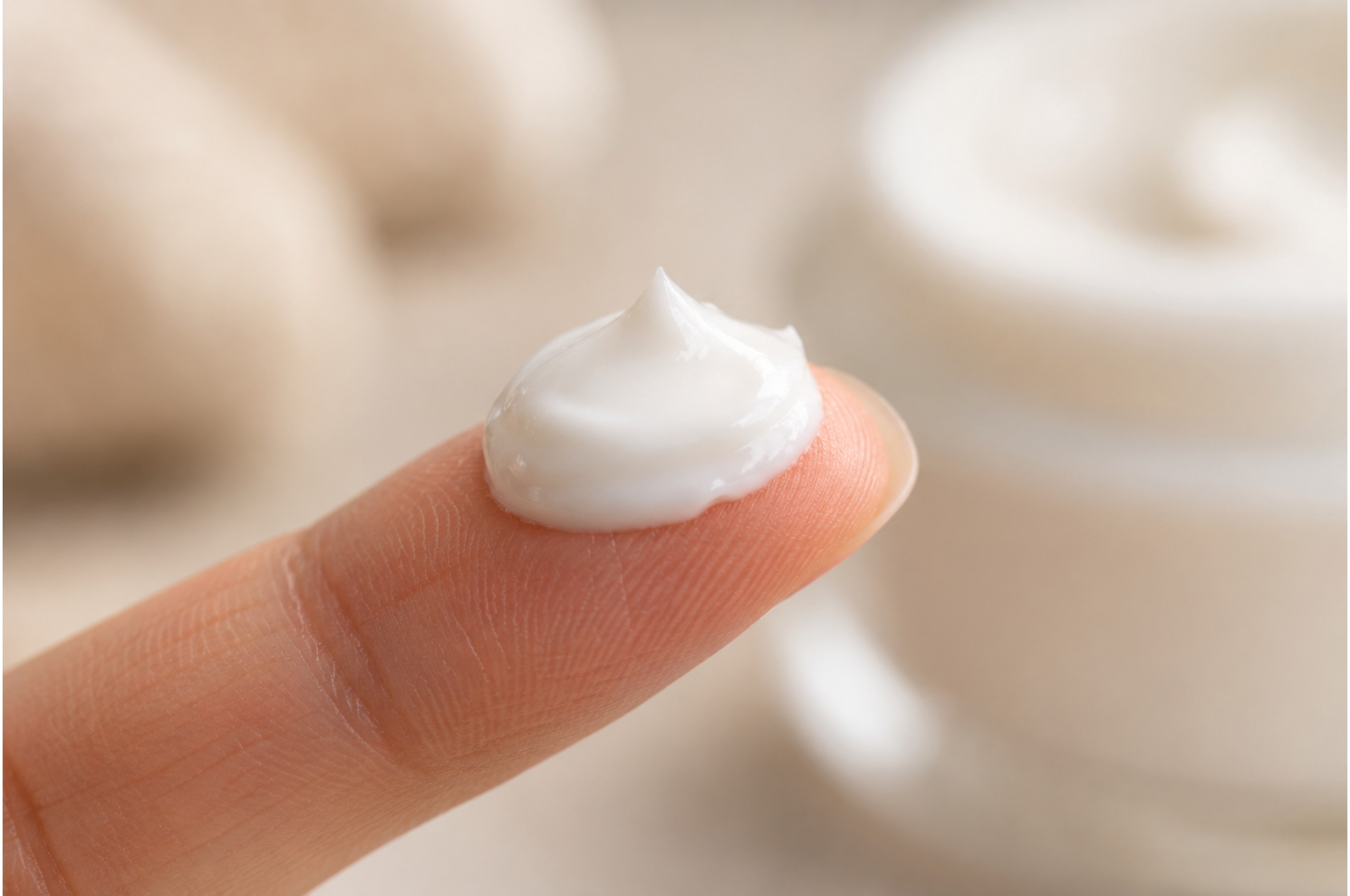
Step 4: Use a pea-sized amount. That is enough for your whole face. Dot it on your forehead, cheeks, and chin, then spread it lightly. Stay away from your eyes, lips, and the corners of your nose.
Step 5: Follow with moisturizer. A gentle moisturizer keeps your skin barrier comfortable.
Recommend: CeraVe Moisturizing Cream
How Often Should You Use Retinol?
Slow and steady wins. Here is a simple schedule:
- Weeks 1 and 2: Two nights a week, such as Monday and Thursday
- Weeks 3 and 4: Three nights a week
- After that: Every other night, if your skin feels fine
Some people never need to use it every night. That is completely normal. More is not better with retinol.

Sunscreen Is Not Optional
Retinol makes your skin more sensitive to the sun. Without sunscreen, you can undo all your progress and even create new dark spots. Apply SPF 30 or higher every morning, and reapply if you are outdoors. If you are unsure what to buy, this guide on how to choose the right sunscreen explains SPF and PA in simple words.
Recommend: Minimalist SPF 50 Light Fluid Sunscreen
What to Expect in the First Weeks
In the first four to six weeks, some dryness, flaking, or a few extra pimples are common. Your skin is adjusting. This usually settles down with time.
If your skin feels irritated, try the “sandwich method.” Apply moisturizer first, then retinol, then more moisturizer. This softens the effect without stopping the benefits. Take a few days off if needed, then restart with fewer nights.
Stop using retinol and see a doctor if you notice burning, swelling, or severe redness.
What Not to Mix With Retinol
Too many active ingredients at once can overwhelm your skin. On retinol nights, avoid:
- Strong exfoliating acids like glycolic or salicylic acid
- Benzoyl peroxide
- Face scrubs and rough cleansing tools
Over-exfoliating is one of the everyday skincare mistakes that quietly damage the skin barrier. If you use vitamin C, keep it for the morning and save retinol for night.
Have oily or acne-prone skin? Retinol can fit well into your oily skin routine. Just add it slowly, one step at a time.
Frequently Asked Questions
Can I use retinol every night as a beginner?
No. Start with two nights a week and increase slowly. Your skin needs time to adjust.
Should I use retinol in the morning or at night?
Use it at night. Sunlight can weaken retinol, and it also makes your skin more sun-sensitive.
How long does retinol take to work?
Most people see changes in about 8 to 12 weeks. Fine lines may take longer.
Can I use retinol on oily, acne-prone skin?
Yes. Many people with oily skin use it to help with clogged pores. Start with a low strength and a light texture.
Final Thoughts
Retinol is powerful, but it does not have to be scary. Start with a low strength, use a pea-sized amount, and go slowly. Protect your skin with moisturizer and sunscreen every day. With patience, your skin will reward you.